Secrets & Collectibles
Hidden rooms, breakable walls, classic Castlevania callbacks and optional loot across the non-linear map of Belmont's Curse — every secret catalogued as the community finds them.
Introduction
Every Castlevania lives or dies by its secrets, and Belmont's Curse inherits a tradition four decades deep: breakable walls hiding treasure, food tucked into impossible places, and the community ritual of cataloguing every callback the developers slipped in. Official materials already confirm the shape of the hunt — maps that blend new features with elements inspired by classic titles, a Digital Sound & Art Gallery app bundling more than 100 development artworks, and the wall chicken question that every Castlevania community asks before launch. This category is the catalogue-in-progress: confirmed collectible systems now, and after October 15, 2026, the full ledger of hidden rooms, easter eggs, classic-series references, and unlock conditions that turns completion from a checklist into a treasure map.
Confirmed Collectible & Secret Systems
| System | Status | What Is Confirmed |
|---|---|---|
| Map Callbacks | Confirmed | Maps blend new features with familiar elements inspired by classic titles |
| Hidden Rooms | Tradition | Breakable walls and secret chambers in true Castlevania style |
| Concept Art Gallery | Edition | 100+ development artworks via the Digital Sound & Art Gallery app |
| Wall Chicken | Community | The community's favorite snack tradition — tracked on release |
Secret Hunter's Ledger
Classic Callbacks
New stages carrying familiar elements from series history
Breakable Walls & Hidden Rooms
The series' oldest secret-keeping technology
Digital Sound & Art Gallery
100+ development artworks in the Midnight Edition app
The Wall Chicken Question
Will the franchise's favorite snack return?
Core Mechanics
The secret-keeping systems of Belmont's Curse rest on a confirmed design philosophy plus four decades of series convention. The philosophy is official: maps that blend new features with familiar elements inspired by classic titles — a promise that the secret-hunting vocabulary veterans carry (suspicious walls, off-pattern textures, rooms that almost fit) will remain useful in 1499 Paris. The convention layer is what the genre inherited: breakable walls and hidden chambers are described in the game's own materials, and the community's wall-chicken watch demonstrates that food-in-walls remains the fandom's favorite litmus test for whether a Castlevania respects its lineage. The confirmed collectible infrastructure outside the game is the Digital Sound & Art Gallery — 100+ development artworks plus soundtrack in the Midnight Edition app — which functions as both a collector's item and a lore archive. What is genuinely unknown: the in-game collectible taxonomy. Whether Belmont's Curse tracks relics, truly optional equipment, classic-music triggers, or completion percentages is unannounced, and the auto-filling map's behavior around secret marking is unverified. The ledger below fills with verified entries starting launch week.
Advantages
Belmont's Curse is unusually well-positioned for the secret-hunting audience, because the game's two most public design commitments feed directly into it. The first is the callback commitment: officially stating that maps blend new features with familiar classic elements converts every new screen into a double reading — what does this room do, and which memory does it echo? That is a treasure hunt layered inside the treasure hunt, and it gives the community a shared decoding project that lasts far beyond the credits. The second is structural: a non-linear, gear-gated Metroidvania is the ideal container for hidden rooms, because backtracking with new unlocks is core progression — every secret found early becomes a landmark on the return loop, and the auto-map removes the friction that punishes completionists in games with manual cartography. The gallery app extends the hunt beyond the game itself: 100+ development artworks are effectively an official lore trove, the kind of material fans previously assembled from art books and interviews. Few launch windows reward the completionist audience this explicitly.
Challenges
Pre-launch secret coverage is the most speculative genre of all, and this category's discipline is to publish almost none of it. The confirmed material is thin by nature: callback blending, breakable-wall tradition, the gallery app, and zero specific in-game collectible details — no counts, no taxonomy, no locations, and no confirmation of the wall chicken. That gap cannot honestly be filled before launch because secrets are the content developers least reveal in advance; any 'complete secrets guide' published today is fiction by definition. The map-behavior unknowns compound this: whether the auto-map marks found secrets, hints at unfound ones, or ignores them entirely changes the completion hunt's character completely, and KONAMI has shown nothing either way. There is also a community-coordination risk worth naming: launch-week spoiler etiquette around secrets is traditionally loose, and players who want the discovery experience preserved will need to navigate carefully — our guides mark secret content with location warnings rather than embedding everything in walkthroughs. The ledger's promise is simple: verified entries only, sourced, starting October 15.
Frequently Asked Questions
Will Belmont's Curse have breakable walls and hidden rooms?+
Is the wall chicken in the game?+
What is the Digital Sound & Art Gallery?+
How will this site catalog secrets after launch?+
Quick Tips
Carry four decades of instinct into 1499 Paris. The game officially commits to classic-inspired map elements, which means the old tells stay true: walls whose texture breaks pattern, rooms that almost fit their floor plan, corridors that end one suspicious meter too early. The Vampire Killer's swing makes testing walls cheap — when in doubt, whip it out, because Belmont's Curse's own materials confirm the tradition it is answering.
Do your secret hunting during backtracking loops, not first passes. The confirmed exploration rhythm — gear-gated regions, fast travel, auto-map — is built for returning with new unlocks, and secrets found on a fresh pass are easy to forget before you can reach them again. Mark suspicious walls mentally on the first visit, then sweep them systematically once your loadout and your map are complete. The completion hunt is a routing problem, and the game gives you the tools to solve it well.
Treat launch-week community content with spoiler discipline if you care about discovery. Secrets are the content most easily spoiled and least fairly warned about — a thumbnail can ruin a room this category would have flagged with a location warning. Our ledger marks every hidden-room entry with its district and a spoiler tag, so you can curate your own exposure; the community's fastest videos offer no such courtesy. Choose your sources by their respect for your first playthrough.
Featured
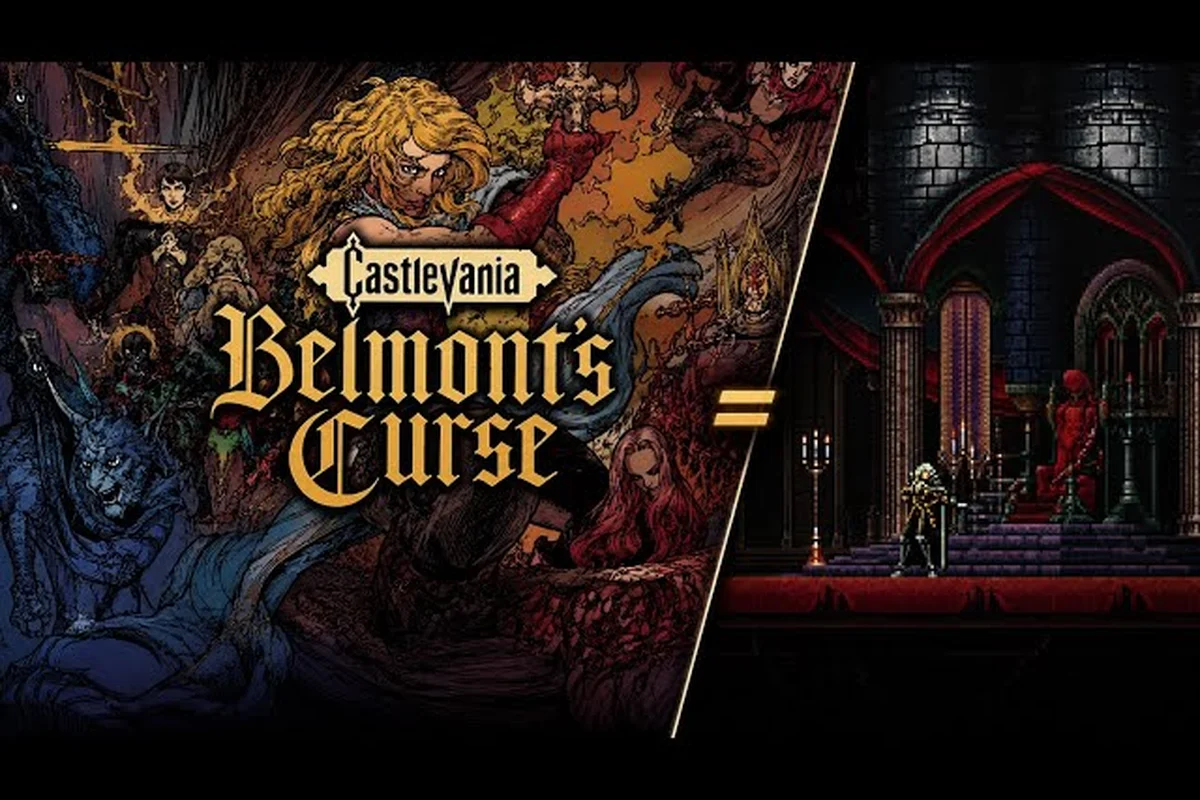
Castlevania: Belmont's Curse Breakable Walls & Secret Rooms
Smash through Castlevania: Belmont's Curse breakable walls using audio and visual tells to uncover secret passages, hidden pickups, and bestiary caches.
Castlevania: Belmont's Curse Item List: Chests & Rare Loot
Browse the full Castlevania: Belmont's Curse item list, from treasure chests to rare pickups and every costume unlock across Rose's Paris.

Castlevania: Belmont's Curse Secrets: Wall Chicken & Eggs
Hunt every Castlevania: Belmont's Curse secret, from wall chicken returns and Bloody Tears tributes to franchise callbacks hidden across 15th-century Paris.
All Articles
Castlevania: Belmont's Curse Costume Unlocks & Alucard Nods
Unlock the Castlevania: Belmont's Curse Alucard costume with Trevor and Sypha outfit guides, concept art rewards, and soundtrack extras hidden in the bonus gallery.
Castlevania: Belmont's Curse Music Player & Sound Test
Find the Castlevania: Belmont's Curse music player, spin the Bloody Tears theme, and chase hidden achievements tied to the secret ending.
Castlevania: Belmont's Curse New Game Plus Unlock Checklist
Trigger Castlevania: Belmont's Curse new game plus unlock, see what carries over from your first run, and chase the full 100% completion checklist.